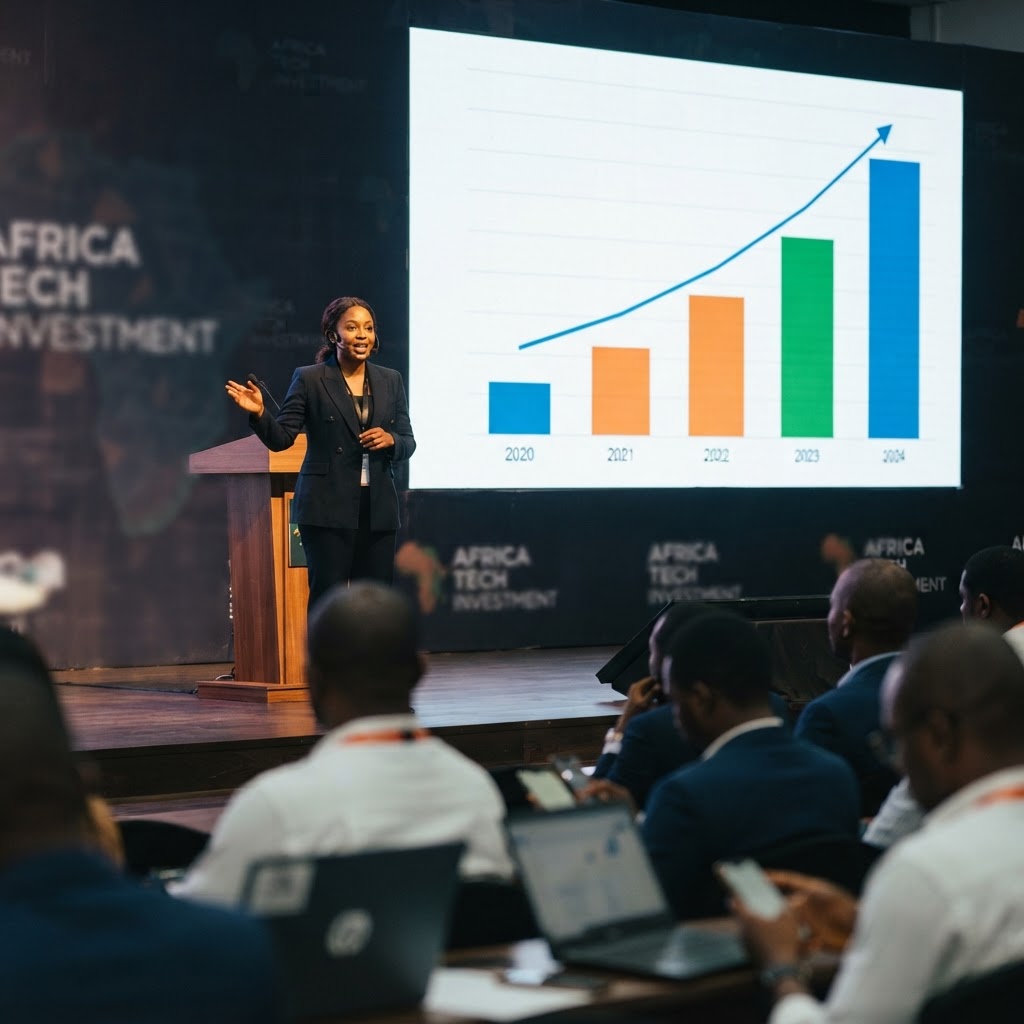
As of September 25, 2026, African financial markets are witnessing a significant transformation characterized by increased digital integration and robust capital inflows. CNBC Africa reports that major exchanges across the continent are adapting to volatile global economic conditions by strengthening local regulatory frameworks and prioritizing sustainable infrastructure investment. This shift signals a maturing landscape that is increasingly resilient to external shocks while fostering homegrown economic growth.
Market Realignment and Strategic Growth
Recent data from major trading hubs in Johannesburg, Lagos, and Nairobi indicates a decisive pivot toward technology-driven financial instruments. On September 22, 2026, the Johannesburg Stock Exchange (JSE) announced a series of upgrades aimed at streamlining cross-border transactions, a move welcomed by institutional investors seeking exposure to emerging African markets. These adjustments are largely attributed to the ongoing implementation of the African Continental Free Trade Area (AfCFTA), which continues to dismantle barriers to intra-African investment.
Key indicators of this market shift include:
• A 12% increase in fintech-related IPOs compared to the same period in 2025.
• Heightened demand for green energy bonds across the East African bloc.
• Enhanced regulatory collaboration between central banks to stabilize currency fluctuations.
Contextualizing the Financial Evolution
This current market phase follows a period of rapid digitalization during the mid-2020s, where mobile banking and blockchain technology became cornerstones of African commerce. Unlike the previous decade, where growth was largely dependent on commodity exports, the current trend is driven by service-oriented sectors and decentralized financial infrastructure. Financial analysts note that the integration of digital payment gateways has drastically lowered the cost of doing business, allowing smaller enterprises to participate in formal financial markets for the first time.
Impact on the Diaspora Community
For the African diaspora, these developments signify a more accessible landscape for repatriating funds and investing in home-based projects. With the maturation of regional stock markets, diaspora investors now have more reliable vehicles for long-term wealth creation, moving beyond simple remittance payments. This accessibility is essential for bridging the gap between global capital and local development initiatives, particularly as infrastructure projects offer higher yield prospects compared to stagnating traditional savings models abroad.
Future Outlook and Market Analysis
Looking toward the remainder of 2026, experts suggest that the focus will remain on building institutional investor confidence. While concerns regarding global inflationary pressure persist, the agility shown by local financial authorities provides a sense of cautious optimism. The consensus among financial leaders is that Africa is no longer just a destination for aid, but a sophisticated market player capable of setting its own agenda in the global financial hierarchy. As digital infrastructure continues to scale, the next few years will likely define the continent's trajectory as a global hub for financial innovation.