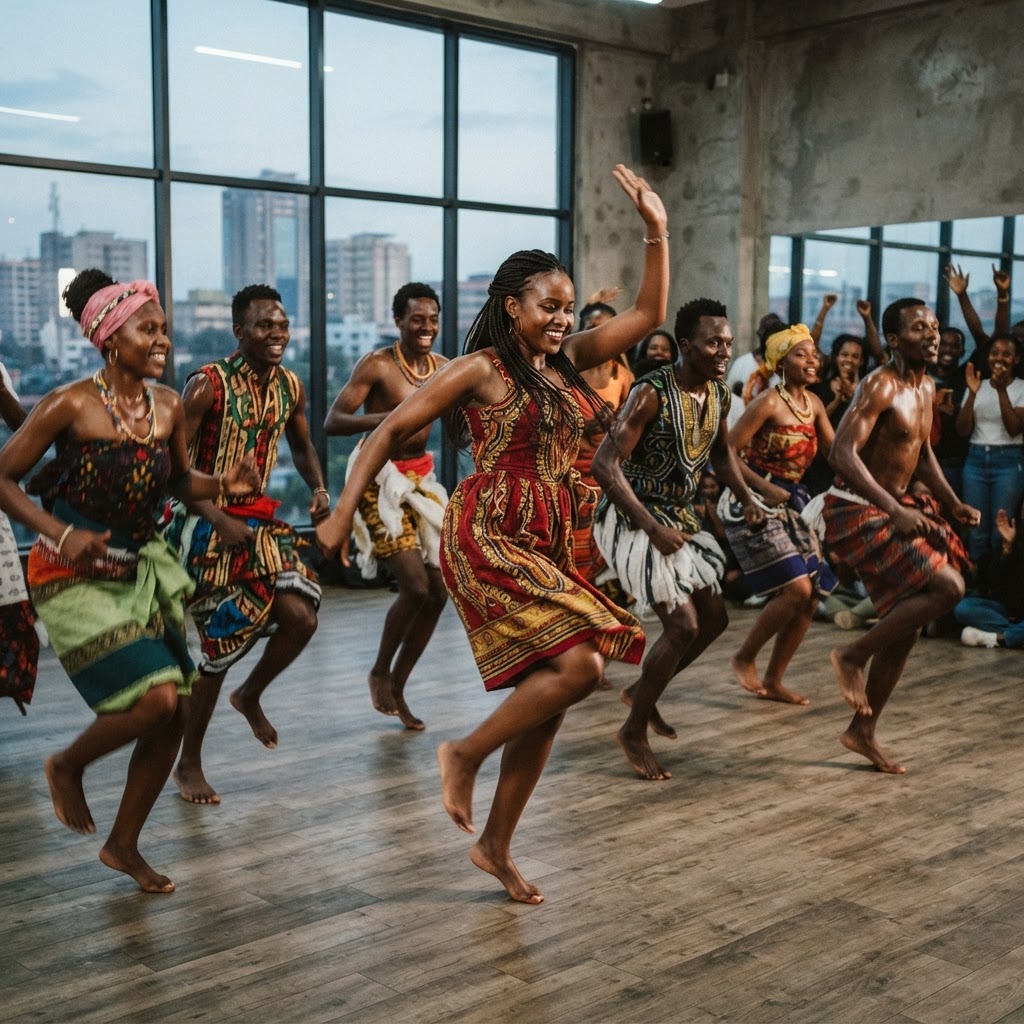
A transformative new initiative launched this week is bridging the gap between underground East African dance culture and the international freestyle community. By creating a unified digital and physical network, organizers aim to showcase the raw talent of dancers from countries like Rwanda, Kenya, and Tanzania on the world stage. This strategic move promises to shift the focus of global dance trends toward the rich, rhythmic traditions of East Africa.
Bridging Borders Through Movement
Launched officially on October 5, 2026, the "East Africa Freestyle Exchange" (EAFE) initiative aims to formalize mentorship and performance opportunities for local dancers. The program serves as a decentralized platform where practitioners of street dance, afro-fusion, and contemporary styles can collaborate with choreographers from Europe, Asia, and North America. By providing access to international talent scouts and global competitions, EAFE removes the geographical barriers that have historically kept East African artists from participating in marquee freestyle events.
The initiative is spearheaded by Amina Juma, a renowned choreographer and cultural advocate, who recognized that while the local talent pool was immense, the infrastructure to export that talent was lacking. Through a series of workshops, virtual battles, and collaborative residencies, the program is setting a new standard for artistic exchange. Key features of the program include:
• Monthly virtual "cipher sessions" connecting dancers across time zones • A scholarship fund for travel to major global festivals such as the Paris Street Dance Summit • Digital portfolios hosted on a centralized, verified platform to attract corporate sponsorships • Collaborative workshops led by industry legends to refine technical skills
The Evolution of East African Urban Dance
For decades, East Africa has been a hotbed of creative expression, deeply rooted in both ancestral rhythms and modern urban influences. Historically, dance has been the heartbeat of social gatherings in the region, yet the professionalization of the street-dance scene has lagged behind other parts of the continent like West Africa or South Africa. In the early 2020s, the rise of social media helped local dancers gain viral fame, but few were able to transition these fleeting moments of online attention into sustainable, professional careers.
By the middle of 2026, the appetite for African-inspired choreography reached an all-time high in global mainstream media. The EAFE initiative marks the first concerted effort to turn this popular curiosity into a structured industry, ensuring that the dancers themselves remain the primary beneficiaries of their creative output.
Empowering the Global Diaspora
For the African diaspora, this initiative provides a crucial link to their cultural heritage while fostering a sense of shared identity through movement. As diaspora communities in hubs like London, Toronto, and New York look to reconnect with their roots, the fusion styles emanating from the East African scene offer a fresh, contemporary language of connection. This flow of culture is bidirectional, as diaspora dancers contribute new techniques and professional insights back to their peers on the continent.
A Future Built on Rhythm
The reception to the launch has been overwhelmingly positive, with major global sponsors expressing interest in backing the inaugural "East African Freestyle Grand Prix" scheduled for December 2026. Industry analysts believe this move is only the beginning of a larger trend where African artists dictate the direction of global pop culture rather than simply reacting to it. As the initiative matures, stakeholders remain optimistic that the dance scene will become a pillar of the East African creative economy, proving that art can indeed lead to tangible socioeconomic development.