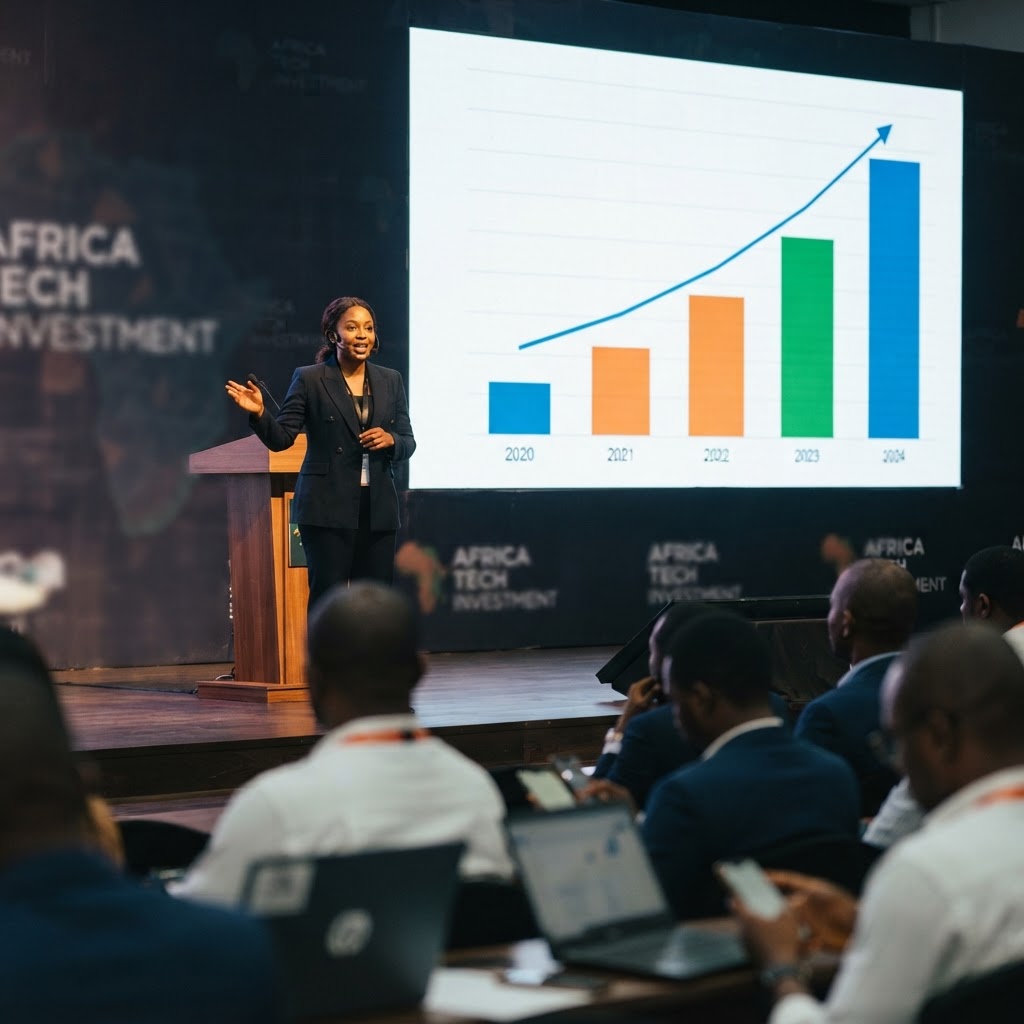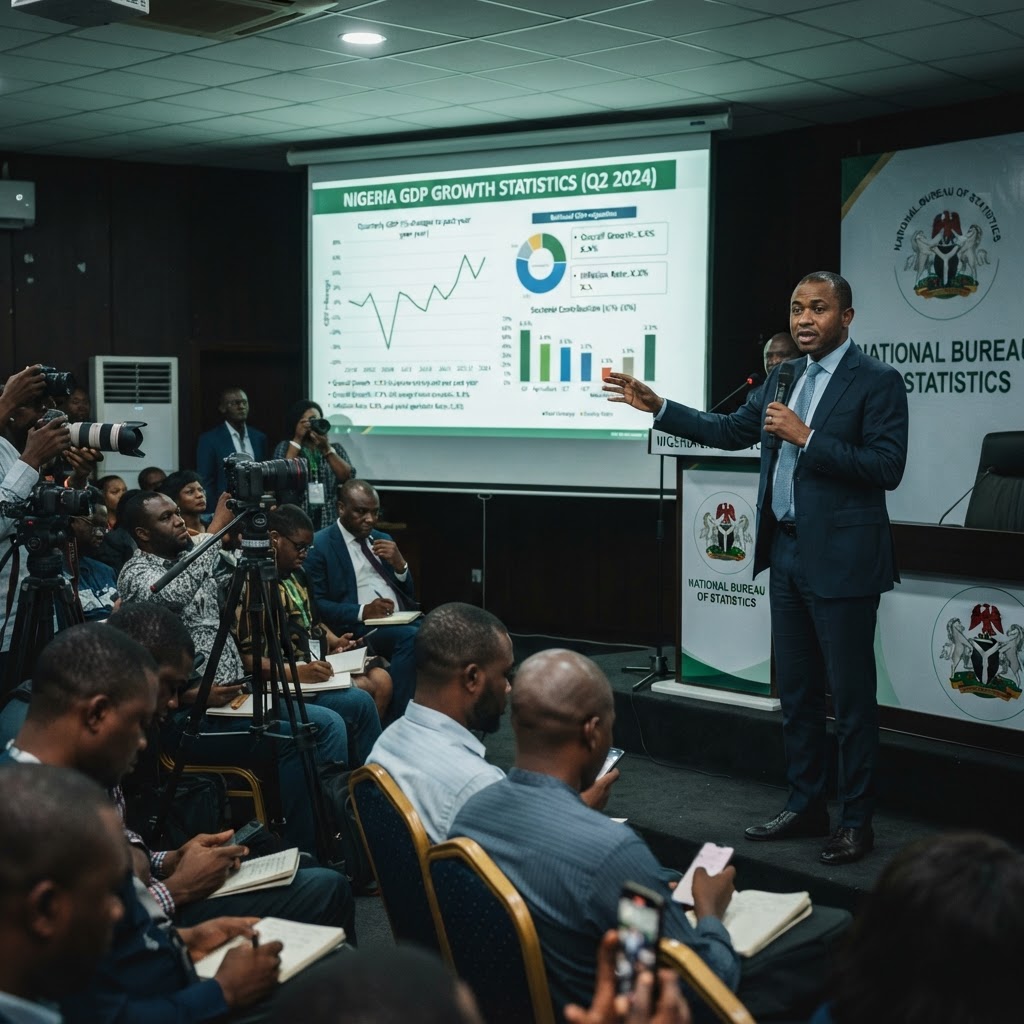
Nigeria’s economy has demonstrated significant resilience, recording a robust Gross Domestic Product (GDP) growth of 4.43 percent in the second quarter of 2026. This expansion signals a steady recovery trajectory, surpassing analyst expectations and highlighting the nation's capacity to navigate complex global economic headwinds. As the largest economy in Africa, Nigeria’s performance serves as a vital bellwether for the continent's broader fiscal health as it heads into the final quarter of the year.
Sustained Growth Drivers
The National Bureau of Statistics reported that the growth trajectory was primarily fueled by strategic advancements in the telecommunications, agricultural, and manufacturing sectors. By maintaining a consistent upward trend, the government aims to solidify a foundation for long-term stability and poverty reduction efforts initiated earlier this year.
Key pillars contributing to this fiscal momentum include:
• Significant increase in digital infrastructure investments. • Enhanced local agricultural output following favorable climate conditions. • Stabilized trade flows within the African Continental Free Trade Area (AfCFTA). • Improved regulatory frameworks for the burgeoning fintech industry.
These indicators suggest that domestic policies targeted at diversifying the economy away from a sole reliance on crude oil production are beginning to yield tangible dividends. Investors are closely watching how the central bank adjusts monetary policy in response to these positive growth figures throughout the remainder of October 2026.
Navigating Economic Hurdles
This growth occurs against a backdrop of historical economic volatility. Over the past decade, Nigeria has faced recurring challenges, including inflationary pressures and infrastructure gaps that previously stifled growth potential. The 4.43 percent gain represents a marked improvement compared to the stagnant figures observed during the same quarter of the previous fiscal year, showcasing a successful shift toward market-driven economic reforms.
Despite these gains, experts emphasize that sustained progress will depend on the government's ability to maintain fiscal discipline and manage the rising cost of living that continues to affect millions of citizens. Policy analysts remain cautious but optimistic, noting that current trends provide a much-needed buffer against potential global market shocks.
Implications for the Diaspora
For the global African diaspora, this report is more than just a series of statistics. A stronger Nigerian economy enhances the investment climate for those looking to repatriate capital, support family-owned enterprises, or launch startups back home. The rise in tech-sector growth, in particular, offers fertile ground for skilled professionals in the diaspora to collaborate on innovative solutions to continental problems.
When the home market flourishes, it bolsters the socio-economic influence of Nigeria on the world stage. This improved standing allows the diaspora to advocate more effectively for deeper trade partnerships between Nigeria and their respective host nations, fostering a cycle of mutual economic empowerment.
Economic Outlook and Expert Forecasts
Market analysts are now revising their end-of-year projections, with many suggesting that Nigeria could close 2026 with a total growth rate higher than previously estimated. Reaction from the business community has been largely positive, though there are calls for continued investment in power and energy to ensure that this growth is not only realized but sustainable over the long term.
Looking ahead to 2027, the consensus is that continued structural reforms will be necessary to keep this growth momentum alive. Government officials have reiterated their commitment to sustaining these gains by prioritizing human capital development and streamlining the ease of doing business across all thirty-six states.