The landscape of contemporary African music is undergoing a radical transformation as female artists increasingly take center stage. As of September 2026, platforms like OkayAfrica are leading the charge by amplifying the diverse, genre-bending sounds of women who are redefining the global Afrobeats narrative. This shift signals a departure from historical industry imbalances, ushering in an era of unprecedented visibility for African female talent.
Empowering the Next Generation of Sound
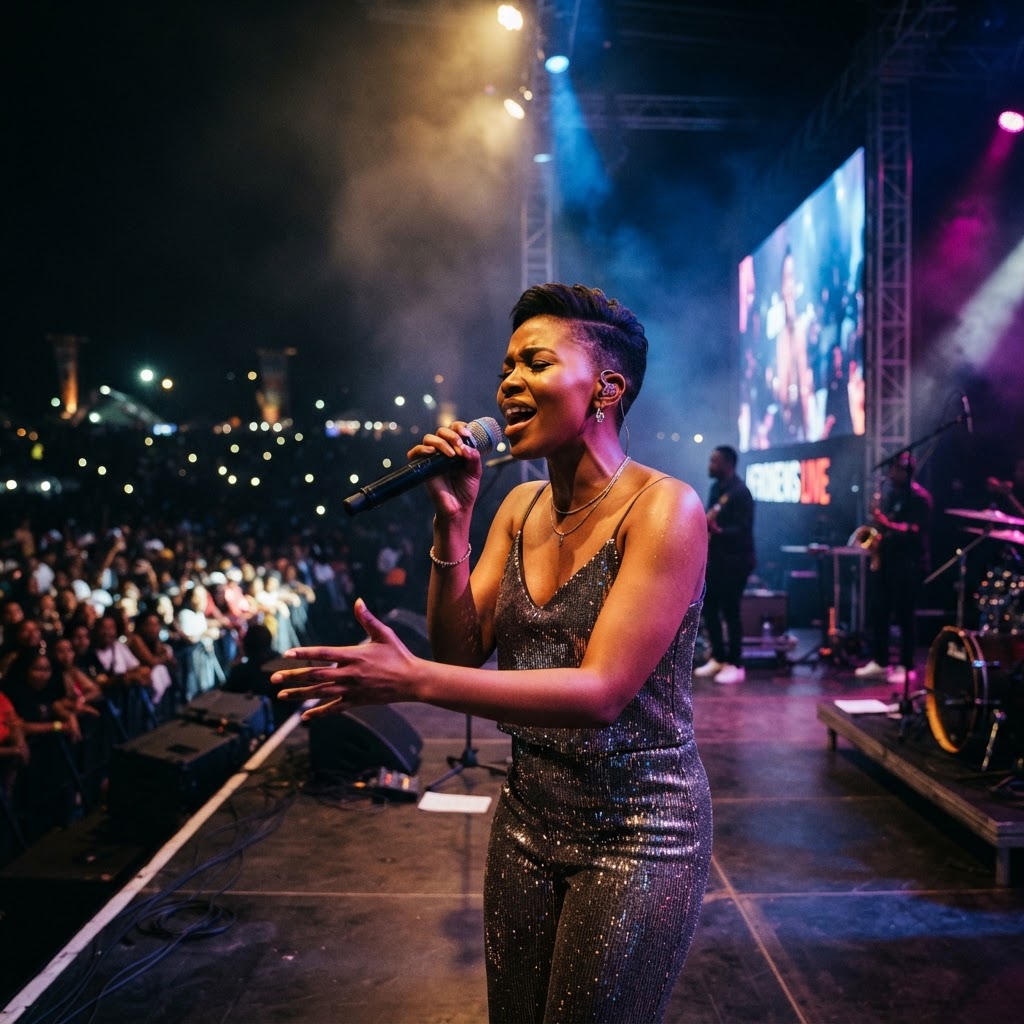
In the final quarter of 2026, the music industry is witnessing a surge of female-led projects that blend traditional rhythms with modern electronic and R&B sensibilities. OkayAfrica has meticulously curated a digital spotlight on these emerging voices, documenting how artists from Lagos to Nairobi are breaking streaming records and headlining international festivals. The focus is not merely on popularity, but on the artistic autonomy these women exert over their production, lyricism, and visual aesthetics.
Key milestones currently shaping this trend include:
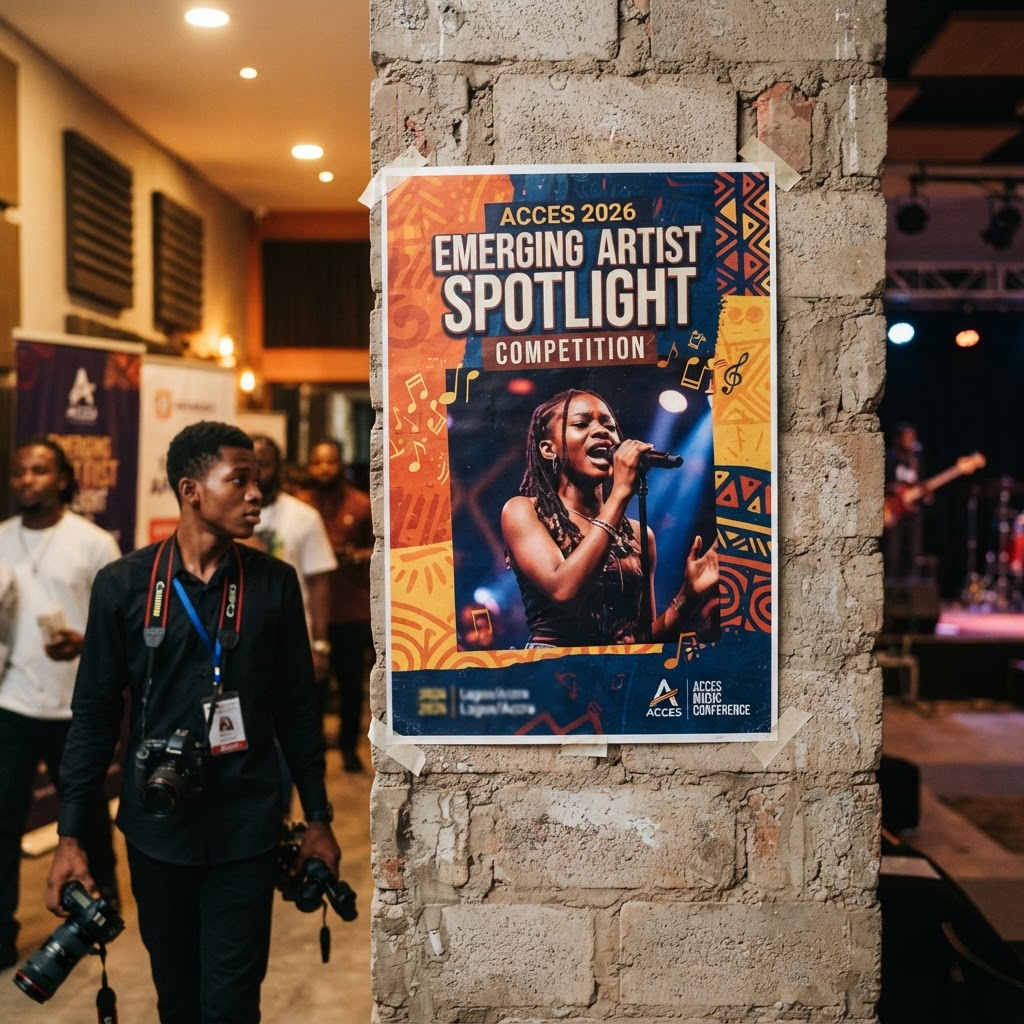
• The rise of "Alternative Afrobeats," a sub-genre championed largely by independent female producers. • Increased collaboration between West African female vocalists and global pop icons, facilitating cross-continental exchange. • The proliferation of regional festivals dedicated exclusively to showcasing African women in production and songwriting roles.
Shifting the Industry Narrative
For decades, the global perception of African music was dominated by male-centric narratives, often relegating women to supporting roles or strictly vocal-only contributions. The current movement, highlighted by OkayAfrica throughout September 2026, represents a structural correction. By leveraging social media platforms and independent distribution models, these artists are circumventing traditional gatekeepers, forcing international labels to acknowledge their commercial and cultural viability.
This shift is supported by a growing infrastructure of female-led management firms and production houses that prioritize equity. By controlling their own intellectual property, these artists are ensuring that the financial rewards of the Afrobeats boom are more equitably distributed across the creative sector.
Impact on the African Diaspora
For the African diaspora, the rise of these female voices serves as a bridge, connecting second and third-generation individuals to the evolving sounds of their heritage. Music is often the primary vehicle for cultural identity, and these artists provide a contemporary touchpoint that resonates with the complexities of modern diaspora life. Their lyrics, often exploring themes of migration, self-discovery, and empowerment, offer a nuanced perspective that enriches the global conversation about African identity.
Furthermore, the success of these artists provides a template for young women across the continent and beyond to pursue careers in the technical and creative arts. The cultural output seen in 2026 is not just entertainment; it is a assertion of space that changes the demographic makeup of the global music industry.
Looking Toward a Harmonious Future
As we look beyond the remainder of 2026, the trajectory for female African artists remains exceptionally bright. The challenge now lies in sustaining this momentum through institutional support, including improved access to funding and touring infrastructure. Analysts note that as long as platforms continue to prioritize authentic storytelling, the influence of these women will only continue to grow.
The global reception of these sounds suggests that the market is finally catching up to the talent that has always been present. By celebrating these emerging voices, the industry is not just acknowledging a current trend, but investing in the long-term sustainability of African music as a primary pillar of global culture.