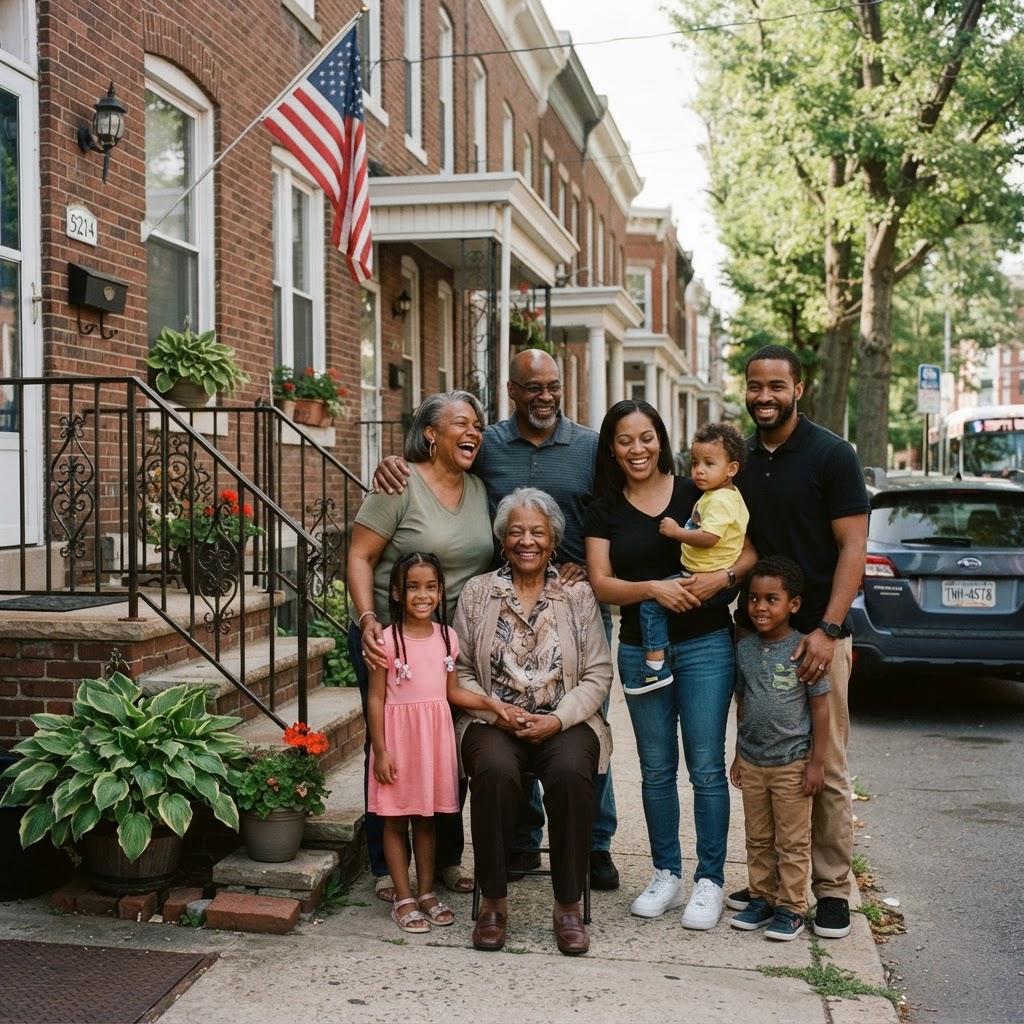
A prominent Philadelphia-based Black family has recently received a transformative reparations grant from a local Quaker organization, marking a significant milestone in the ongoing national conversation regarding economic justice. This initiative represents more than just a financial transaction; it serves as a symbolic and tangible effort to address the deep-seated legacy of systemic inequality that has historically stifled generational wealth in the African American community. As of October 5, 2026, this development continues to spark dialogue about the role of religious institutions in restorative justice.
A Commitment to Restorative Justice
The grant was awarded by the Philadelphia Yearly Meeting, a long-standing Quaker body that has spent the last several years auditing its historical ties to slavery and the exploitation of labor. By identifying specific families impacted by historical disenfranchisement, the organization has moved beyond abstract apologies into direct economic empowerment. The recipients, a multigenerational family with roots in Philadelphia dating back to the early 20th century, plan to utilize the funds to stabilize their housing and invest in local entrepreneurial ventures.
Key details of this restorative initiative include:
• Targeted financial support aimed at wealth gap mitigation. • Direct consultation with community leaders to ensure transparent distribution. • A focus on long-term stability rather than short-term relief.
Historical Context and Institutional Accountability
For decades, Quakers—historically known as the Society of Friends—have grappled with their own complex history involving the institution of slavery. While many Quakers were vocal abolitionists, others were complicit in the systems that upheld racial hierarchies. By providing this grant in October 2026, the Philadelphia Yearly Meeting is attempting to reconcile its past by providing a pathway for modern-day families to overcome the residual economic impacts of those historical policies. This move aligns with a growing trend of faith-based organizations taking active, financial responsibility for historical harm.
Strengthening the African Diaspora
This act of reparations resonates deeply within the African diaspora community, which has long advocated for tangible economic redress. The empowerment of one family sends a ripple effect through the local economy, proving that reparative efforts can be localized and effective. For many in the diaspora, this serves as a roadmap for how other private institutions and religious groups can initiate their own reparative processes without waiting for federal legislation, which has historically stalled.
The Path Forward
Community activists and economic analysts have lauded the move as a courageous step toward healing, though they caution that this is only the beginning of a larger journey. While the grant provides a vital boost for this particular family, the broader objective remains the systemic closing of the racial wealth gap. As observers look toward the remainder of 2026, many are watching to see if this model will be replicated by other institutions across the United States. The success of this grant will likely be measured by the sustained economic health and community contributions of the recipients in the coming years.