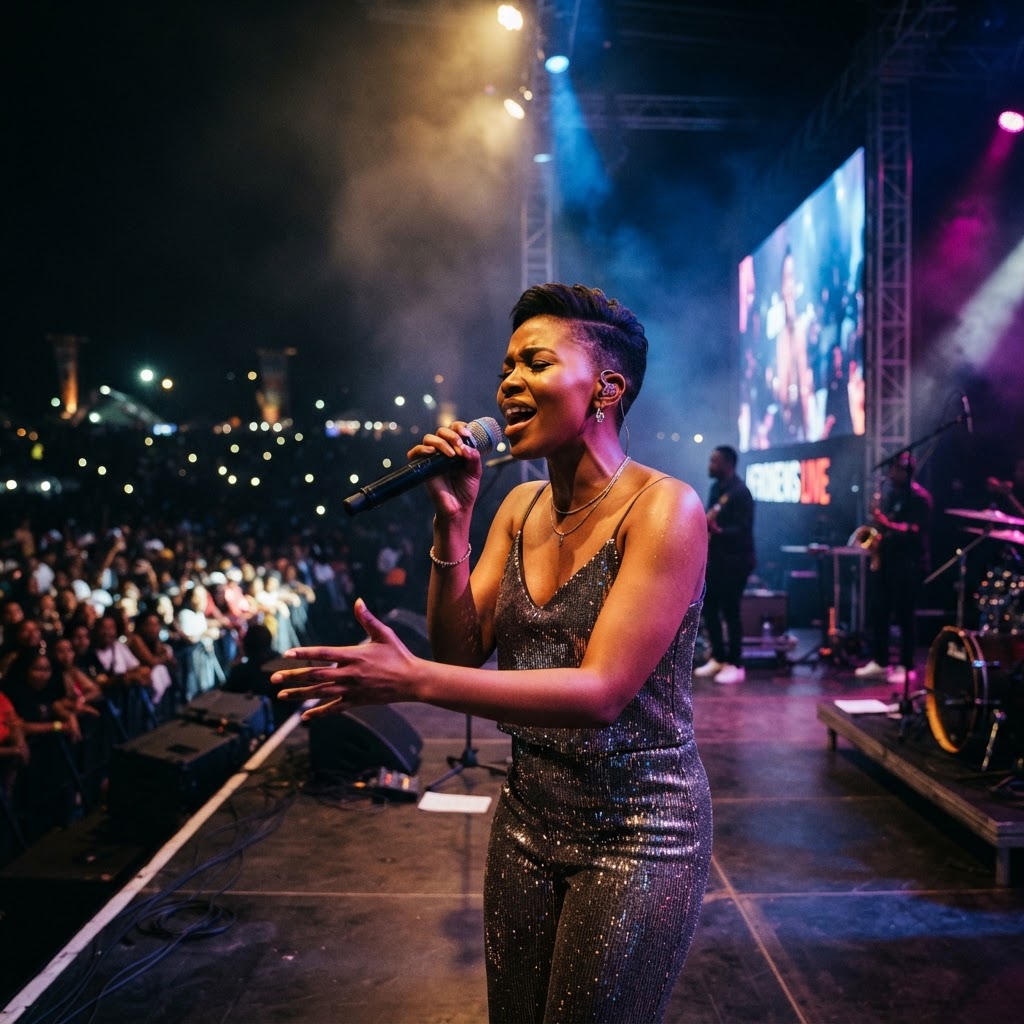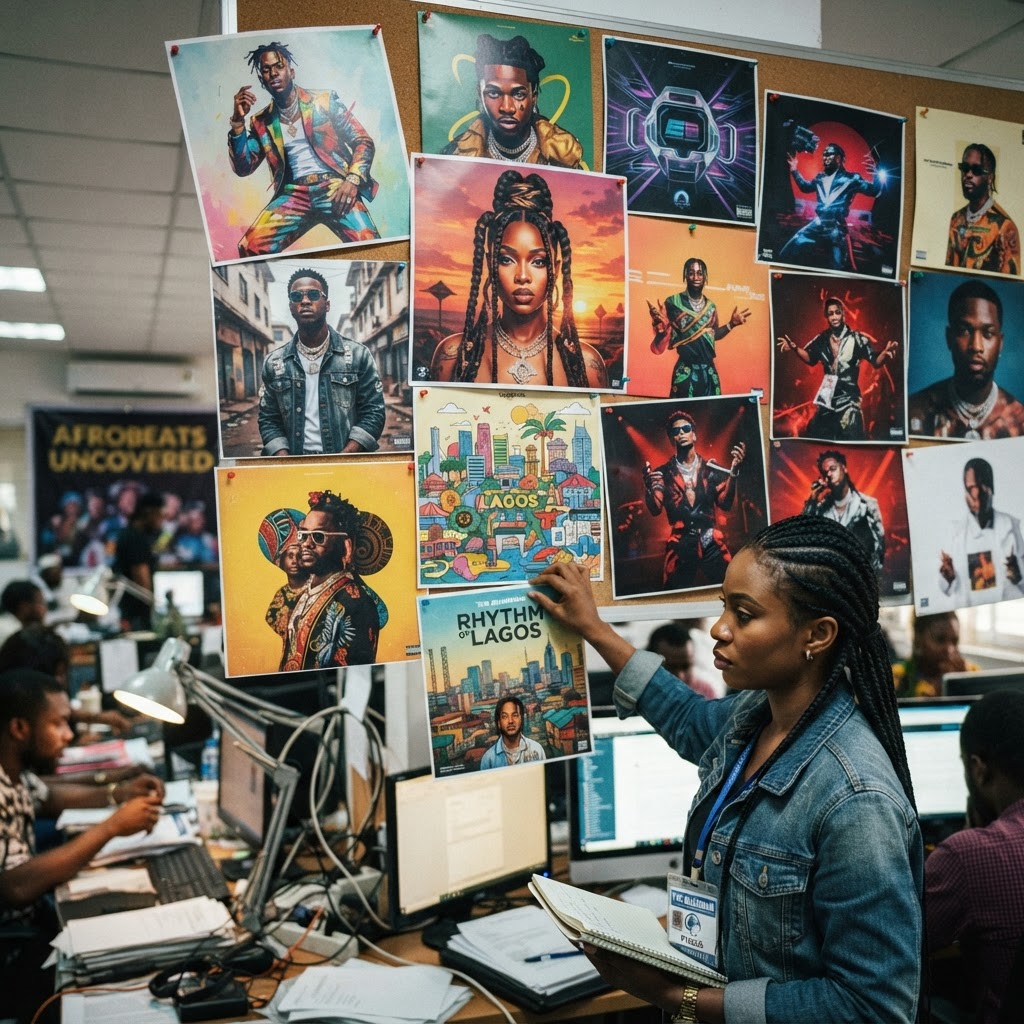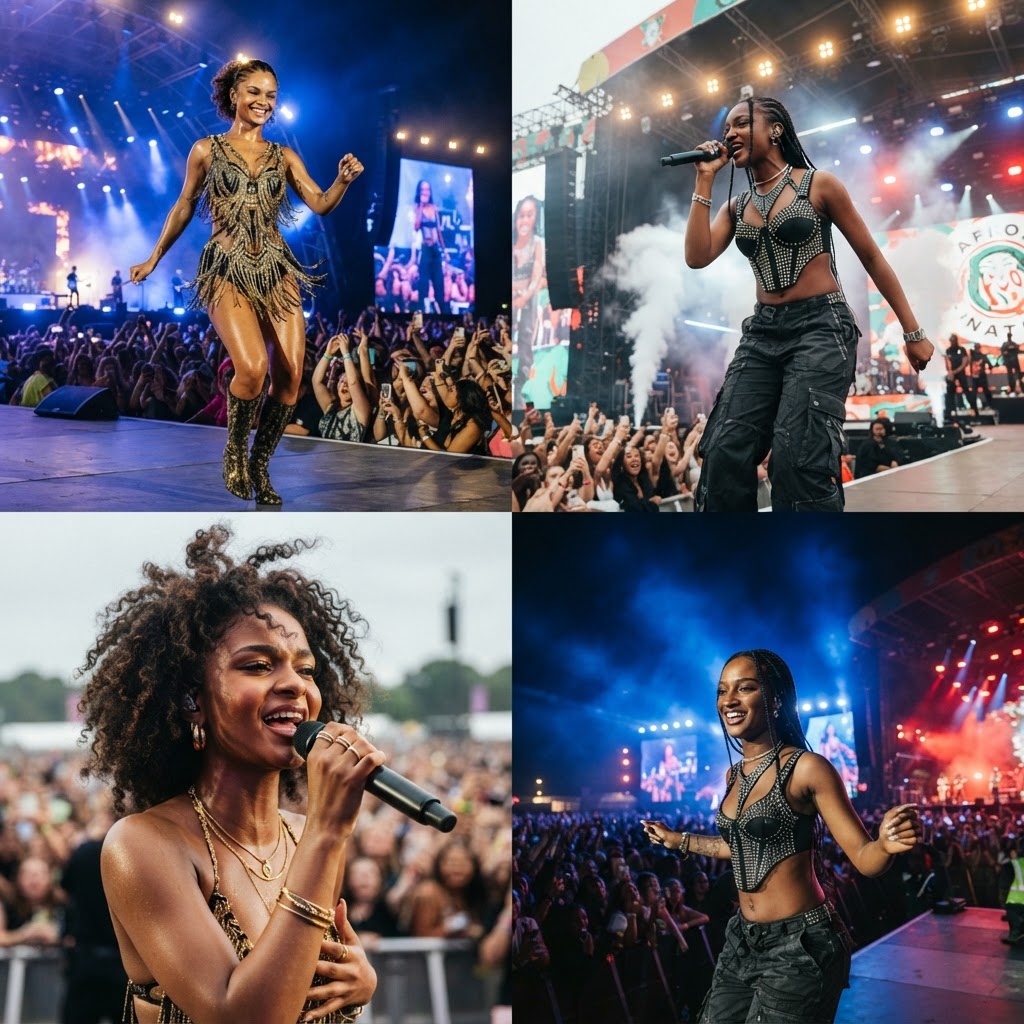
The landscape of African popular music is undergoing a fundamental transformation as of September 2026, moving past the initial breakthrough era catalyzed by international successes. As superstars like Tyla and Ayra Starr navigate a global market that is increasingly demanding, the industry faces a critical juncture regarding sustainability, artistic autonomy, and the preservation of cultural authenticity in the face of commercial homogenization.
The Changing Tides of Global Success
The industry surge that defined the mid-2020s has shifted from mere novelty to structural integration. Artists who once fought for space on Western streaming charts are now operating within the machinery of major label ecosystems, leading to a complex tug-of-war between signature sounds and pop accessibility. Key figures like Davido remain at the forefront of this evolution, balancing legacy Afrobeats rhythms with international collaborations that satisfy both regional audiences and global markets.
Recent data from September 2026 indicates that the primary challenges for the current generation of African pop stars include:
• Maintaining consistent output without sacrificing quality for viral longevity. • Navigating the complex pressures of digital marketing algorithms that favor short-form content. • Retaining creative control over production choices as Western producers move into the space. • Establishing fair compensation structures within the global streaming economy.
Historical Context of the Afrobeats Boom
This current crossroads is deeply rooted in the rapid acceleration of the genre over the last five years. Following the massive crossover success of Tyla, the perception of African music in the West changed from an exotic trend to a permanent fixture of global pop. However, this mainstream acceptance has brought new scrutiny. The shift has moved from purely regional dominance in cities like Lagos and Johannesburg to a model where success is measured by performances in stadiums across London, New York, and Paris.
Implications for the African Diaspora
For the diaspora, the evolution of these artists serves as a vital bridge to cultural identity. The music is no longer just a backdrop; it is a primary cultural export that shapes how African youth abroad perceive their heritage. As pop stars adapt their sound to bridge gaps, the diaspora community is actively participating in the debate over what constitutes the "authentic" soul of the genre. This discourse is essential for ensuring that as the sound expands, it does not lose its connection to the communities from which it originated.
Future Outlook and Industry Projections
Looking toward the end of 2026, analysts suggest that the next phase for the industry will be defined by internal resilience. We are likely to see more artists investing in their own infrastructure rather than relying solely on global labels. Industry insiders are watching closely to see if acts like Ayra Starr can leverage their current leverage to dictate terms that protect the future of regional music production. Ultimately, the survival and thriving of African pop will depend on the artist's ability to remain tethered to their roots while navigating the increasingly demanding, high-speed nature of global pop stardom.