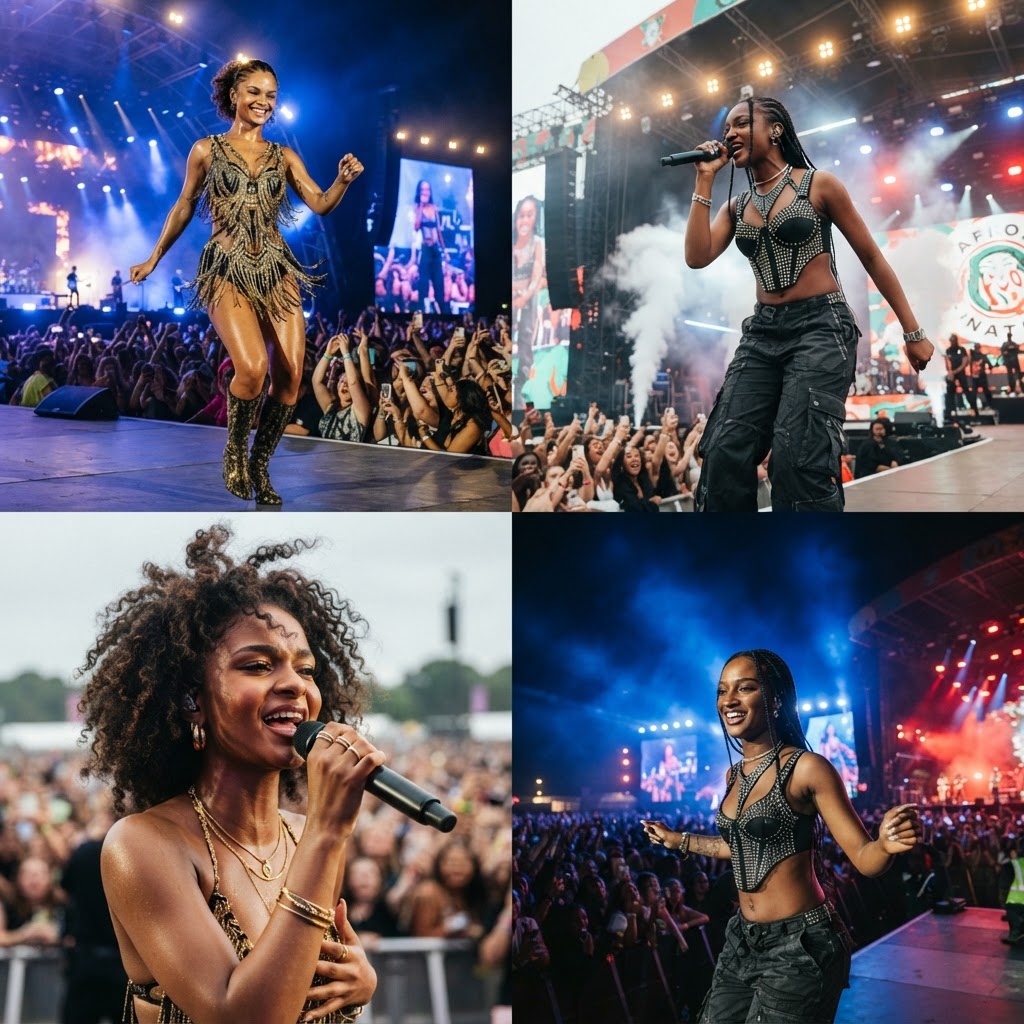
The global music industry is currently witnessing a paradigm shift as African pop stars adapt to a post-Tyla reality in late September 2026. Following the meteoric rise of South African singer Tyla over the past two years, artists across the continent are refining their strategies to balance domestic authenticity with the demands of an increasingly fickle international audience. As streaming algorithms and social media trends continue to dominate, the stakes for Afrobeats and amapiano icons have never been higher.
The Tyla Effect and Market Evolution
Since the massive international success of Tyla, the music landscape has shifted from viewing African artists as regional niche acts to potential global superstars. As of September 2026, executives at major record labels are shifting focus toward artists who can bridge the gap between traditional sounds and Western pop sensibilities. The success of her viral hits provided a blueprint for how to leverage TikTok and short-form content to achieve chart-topping results in markets as diverse as the United States, the UK, and Southeast Asia.
However, the current industry climate requires more than just a viral moment. Major stars like Ayra Starr and Davido are navigating this by focusing on long-term brand building and cross-cultural collaborations. Industry data from September 2026 indicates that while viral songs generate immediate traffic, audience retention in the post-Tyla era is increasingly dependent on high-production live performances and consistent social media engagement.
Historical Context of African Pop Expansion
For decades, African music was largely confined to diaspora communities. The breakthrough period, which truly accelerated between 2020 and 2024, saw the solidification of the Afrobeats genre as a global powerhouse. Pioneers like Wizkid and Burna Boy laid the groundwork, selling out stadiums from Lagos to London, which ultimately allowed the current generation of artists to command premium positions in global festivals and award show lineups.
By the time Tyla ascended the charts in early 2024, the infrastructure for global distribution had already been modernized. The current transition reflects a maturation phase where the focus is moving from "breaking" into the mainstream to sustaining a permanent place within it. This evolution has forced artists to be more strategic about their release schedules and tour routing.
Implications for the African Diaspora
For the African diaspora, this moment represents a significant cultural validation. The visibility of artists like Ayra Starr serves as a vital point of connection, fostering a sense of pride and cultural identity among second and third-generation immigrants. Key benefits of this shift include:
• Increased demand for African-led creative studios and production houses in major cities. • Higher booking rates for African artists in North American arenas. • Greater investment from international streaming platforms into regional African offices. • Development of new talent pipelines that bypass traditional legacy gatekeepers.
Outlook and Future Trajectory
As we look ahead to the final quarter of 2026, analysts suggest that the market is beginning to favor artists who can pivot quickly between genres. While Afrobeats remains the primary driver, the fusion of amapiano, highlife, and R&B is becoming the standard for modern African pop. The challenge remains for artists to retain their specific cultural identity while catering to a global ear that is constantly seeking the next fresh sound.
Industry insiders believe that the next wave of talent will prioritize regional tours within Africa as much as international dates, recognizing that the continent itself remains the largest and most loyal consumer base. By maintaining this balance, African pop stars are positioning themselves to lead the global music conversation for the foreseeable future.