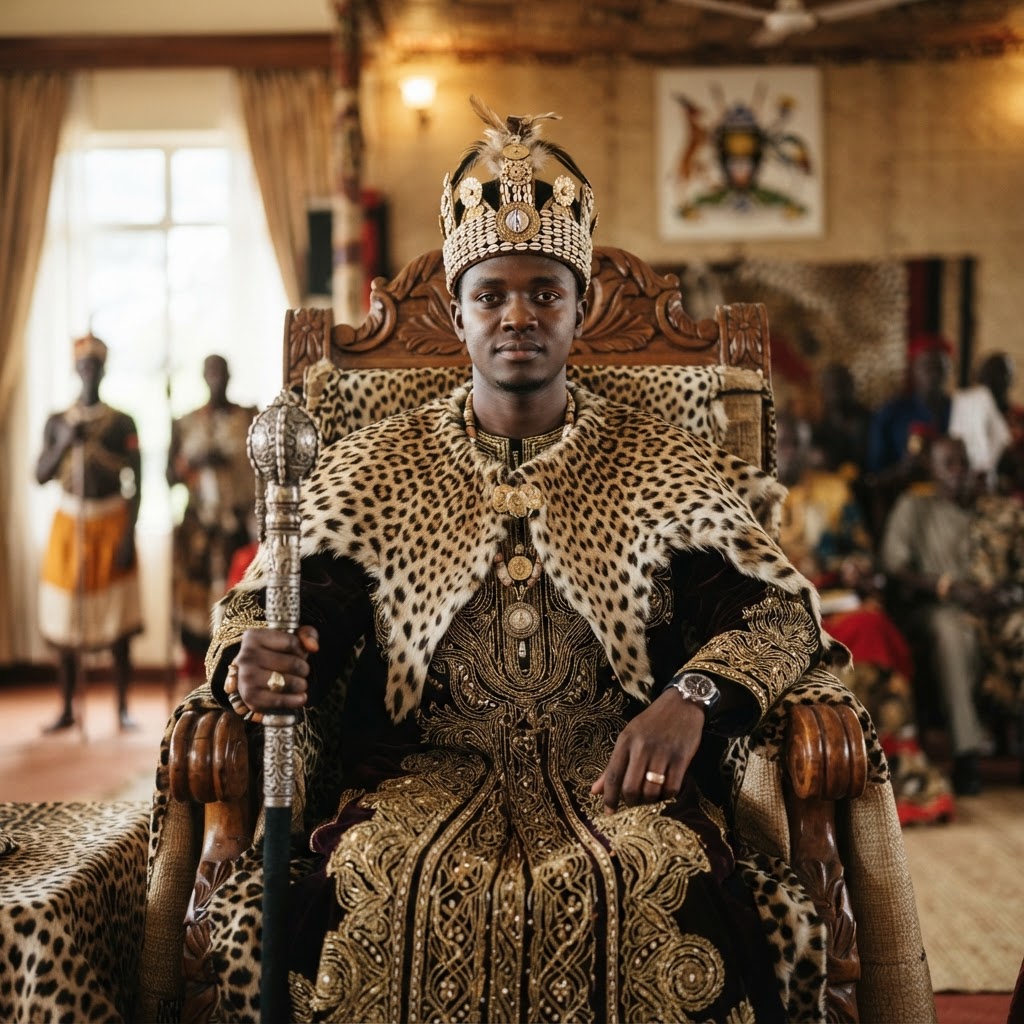
The kingdom of Tooro is in deep mourning today, October 11, 2026, following the sudden and untimely passing of King Oyo Nyimba Kabamba Iguru Rukidi IV at the age of 34. The monarch, who held the distinction of being the youngest ruling king in the world when he ascended the throne as a toddler in 1995, died earlier this morning at his palace. His passing has sent shockwaves through Uganda and the broader African continent, leaving a significant void in traditional leadership circles.
A Life of Royal Service
King Oyo was born on April 16, 1992, and rose to international prominence after succeeding his father, King Patrick David Matthew Kaboyo Olimi III, at the tender age of three. Over the course of his three-decade reign, he evolved from a symbolic child monarch into a respected diplomatic voice and a champion for youth empowerment. Known for his commitment to modernizing the kingdom's educational and health initiatives, he remained a steady presence in the cultural tapestry of Uganda.
Key milestones of his reign included:
• Celebrating the 30th anniversary of his coronation in 2025. • Advocating for the fight against HIV/AIDS among Ugandan youth. • Strengthening ties between traditional institutions and the central Ugandan government. • Overseeing significant cultural preservation projects within the Tooro region.
The Legacy of the Tooro Monarchy
Located in western Uganda, the Tooro Kingdom is one of the nation's oldest and most prestigious traditional institutions. King Oyo was a member of the Babiito dynasty, representing a lineage that has played a crucial role in local governance and social cohesion. His reign was characterized by a delicate balance between preserving ancient customs and embracing the challenges of the 21st century, often bridging the gap between historical legitimacy and contemporary civic duty.
Throughout his life, the King was an advocate for education, frequently urging his subjects to invest in technical skills to combat regional unemployment. His influence extended beyond the borders of his kingdom, as he worked closely with other traditional leaders to promote unity and peace across the East African Community.
Impacts on the African Diaspora
For the global African diaspora, the death of King Oyo marks the end of an era defined by the revitalization of traditional African leadership. His visibility as a young leader challenged Western misconceptions about the relevance of monarchies in modern African statehood. Many in the diaspora viewed him as a symbol of cultural resilience and a reminder of the power of indigenous heritage in an increasingly globalized world.
His passing prompts a broader reflection on the transition of leadership within African traditional structures. As younger generations in the diaspora seek to reconnect with their roots, the steady leadership provided by figures like King Oyo has served as a touchstone for history and identity. His legacy will likely continue to inspire discussions on how traditional values can intersect with democratic governance to foster inclusive progress.
Future Outlook and Period of Mourning
As of this evening, the Tooro Kingdom has declared an official period of mourning, with flags flying at half-mast across the region. Political leaders, including the President of Uganda, have expressed their deep condolences, emphasizing the stability King Oyo brought to the nation. Plans for the royal funeral are expected to be announced by the Kingdom’s Royal Council later this week.
Looking ahead, the succession process remains a matter of internal royal protocols. Observers note that the transition will be closely watched, as the stability of the kingdom is vital to the socio-political health of western Uganda. For now, the people of Tooro remain focused on honoring the memory of a leader who dedicated his life to the service of his heritage and his people.